Open Views to Private Spaces: Making Window Coverings More Adaptable
Modern homes are expected to adapt to different activities throughout the day. A living room may be bright and open in the morning, become a comfortable workspace during the afternoon, and turn into a private gathering area in the evening. Windows play an important role in these transitions, which makes adaptable window coverings increasingly valuable.
Instead of treating window furnishings as simple decorative additions, homeowners can consider how they influence privacy, daylight, movement, comfort, and the overall atmosphere of a room. The right choice can make it easier for a space to respond naturally as daily needs change.
Responding to Different Levels of Privacy
Privacy is rarely an all-day requirement. During daylight hours, homeowners may want to enjoy an open outlook, particularly when windows face a garden, balcony, or attractive landscape. Later in the day, those same windows may need greater coverage as indoor lighting makes interiors more visible from outside.
Adaptable window coverings make these transitions easier. Rather than choosing between permanently exposed windows and complete coverage, homeowners can select furnishings that provide different levels of screening. This flexibility is especially useful in living rooms, dining areas, and other shared spaces where privacy requirements regularly change.
Working With Natural Light Instead of Blocking It
Natural light can completely change the character of an interior. Bright rooms often feel more spacious and welcoming, but uncontrolled sunlight can also create glare, excessive brightness, and uncomfortable conditions.
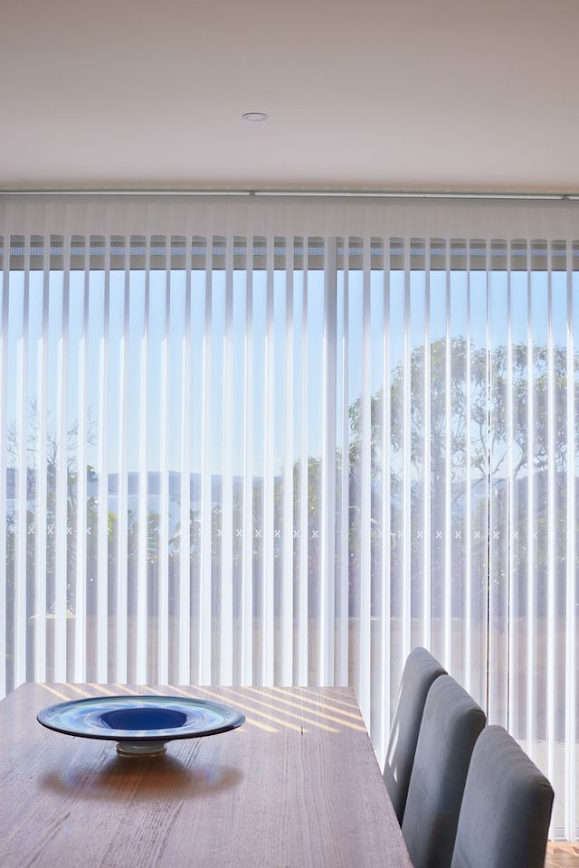
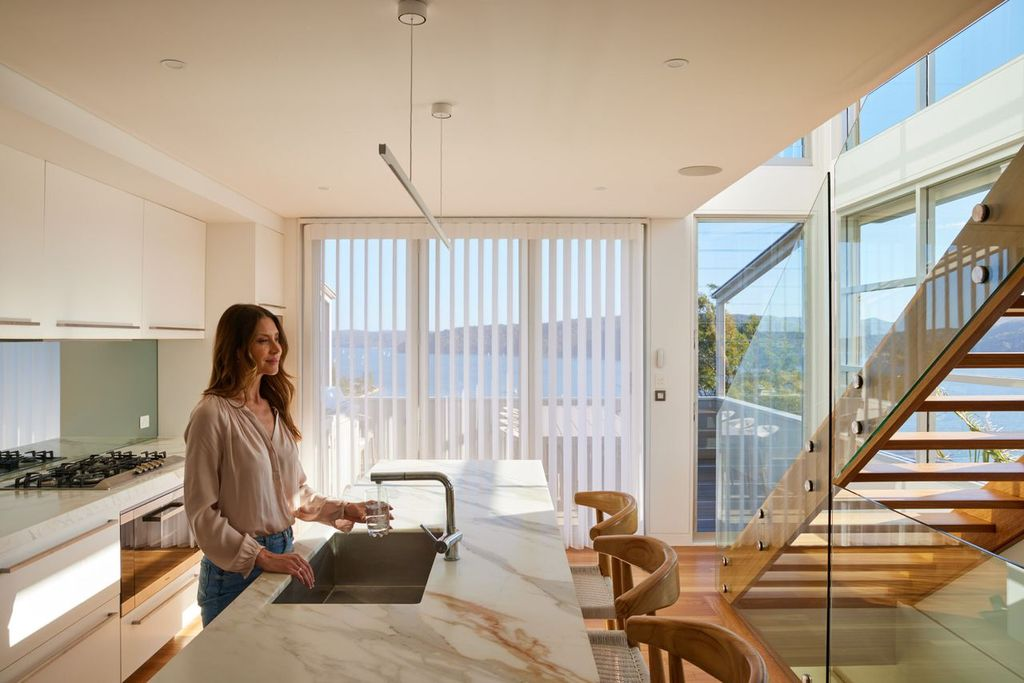
Window coverings can help homeowners manage light without automatically darkening the entire room. Veri Shades are one option for people looking for a balance between the softness associated with curtains and adjustable light control. Their design can suit spaces where occupants want to move between a more open appearance and increased coverage without relying on several separate window treatments.
The objective should be to manage daylight according to the room’s purpose. A television area may need stronger glare control, while a dining room might benefit from softer filtered sunlight.
Supporting Rooms With Multiple Purposes
The way people use their homes has become increasingly flexible. A spare bedroom can double as an office, a dining table can become a temporary workstation, and an open living area can accommodate entertainment, relaxation, and family activities.
Window coverings should support these changing functions. A home office, for example, may need glare reduction during working hours but an open view once work is finished. Similarly, a multipurpose living space may require privacy during certain activities while benefiting from abundant natural light at other times.
Choosing adaptable coverings means the window does not dictate how the room must be used. Instead, the covering responds to the activity taking place.
Considering Movement Around Windows and Doors
Adaptability is also about physical movement. Large windows, sliding doors, and openings leading to patios or balconies often experience frequent traffic. A window treatment that works well on a small bedroom window may feel inconvenient when installed across an opening people use throughout the day.
Homeowners should consider how easily a covering can be adjusted and how it behaves when people move through the area. Solutions such as Veri Shades may be considered for certain large openings where flexible access, light management, and a softer visual effect are priorities.
Thinking about everyday movement before selecting a covering can prevent an attractive design from becoming an inconvenience.
Using Window Coverings to Change the Mood
Window furnishings also affect atmosphere. Fully exposed glass can make a room feel bright, energetic, and connected to the outdoors. Filtered light can create a softer and calmer environment, while increased coverage can produce a sense of privacy and comfort in the evening.
This ability to change the mood without rearranging furniture or altering lighting makes adaptable window coverings particularly useful. One room can feel noticeably different simply by changing how much daylight and outside visibility are allowed.
Designing for Everyday Flexibility
A successful interior should not work beautifully under only one set of conditions. It should remain comfortable during bright mornings, busy afternoons, quiet evenings, and changing seasons.
Window furnishings contribute significantly to that flexibility. Options such as Veri Shades demonstrate how modern window design can move beyond the basic choice between open and closed. By considering privacy, natural light, room function, movement, and atmosphere together, homeowners can create spaces that transition smoothly from open views to private retreats whenever daily life requires it.